

What are the Characteristics of Broiled Beef?
Broiled beef contains the following seven characteristics:
- Exterior: The direct heat from the broiler creates a crispy and brown exterior, which looks charred. The ideal heat for creating a flavorful crust is 550°C. It occurs due to the Maillard reaction that takes place at high temperatures. This reaction is different from caramelization, which especially browns proteins.
- Interior: The interior remains tender and juicy throughout the whole process. It locks in moisture to maintain flavor. Extending the temperature above the required points results in moisture loss and chewiness in the beef. After cooking, let the beef rest for 5 to 10 minutes. This allows redistribution of juices that collect at the center when cooking.
- Cooking Speed: It is one of the fastest cooking methods, which makes it an ideal choice. The beef becomes broiled in 15 minutes. Tenderloin steak, ribeye, and sirloin are recommended for broiling due to their tenderness and thickness. Thick and tougher cuts require slow cooking to become properly tender, which makes them less ideal for broiling.
- Flavor Profile: Direct heating creates a rich and smoky taste. The browning of the exterior fats also contributes to the beefy taste. The smoky taste of broiled beef is not the same as the smoking, but it’s deep and savory.
- Texture: The contrast of firm outside and soft inside is a significant quality of broiled beef. The firm and well-textured outside is all due to the high heat. At the time, resting time makes the interior juicy and flavorful.
- Appearance: Broiling does not create proper grill marks like barbecue. But attractive sear marks and even browning are its characteristics. Prefer using a wire rack on a pan to cook beef, as it prevents steaming from the bottom of the beef.
- Aroma: Broiled beef has a distinct roasted beefy smell due to the Maillard reaction. The meaty aroma is also due to the fats and proteins of beef.
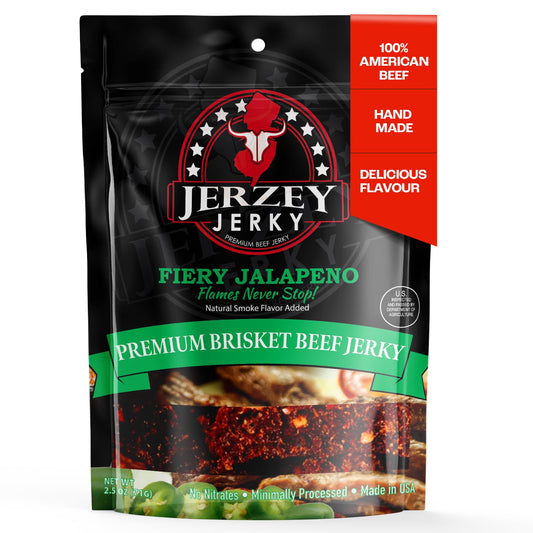
Shop the best-selling Fiery Jalapeno Beef Jerky - Brisket & Straight Whiskey Beef Jerky - Brisket
What is the Nutritional Value of Broiled Beef?
Beef is a good source of the following seven components:
- Protein Content: Broiled beef provides all the essential amino acids needed for the body. These amino acids play an important role in muscle growth, maintenance, and repair. Proteins are also important for carrying out multiple reactions in the body. The amount of proteins varies with the types of cut. Leaner cuts generally contain a higher amount of protein than the fattier ones.
- Fat Content: It also depends on the type of cut. Ground or prime rib beef contains a higher percentage of fat than the tenderloin(a leaner cut). Excess fat is removed from the cuts in the trimming process before and after cooking. Omega-3 and linoleic acid are essential for the body, which are obtained from grass-fed beef without any extra fat.
- Carbohydrates: Broiled beef naturally contains fewer carbs. This property makes it an ideal choice for ketogenic and low-carb diets.
- Vitamins: Vitamins B are essential for energy metabolism and hormone production. Broiled beef is rich in these vitamins, which are also involved in brain function, the nervous system, and blood formation. It also contains vitamins E, D, and K, which depend on the type of cut and the environment of cattle.
- Minerals: Minerals are needed for bone growth, teeth growth, oxygen absorption, and growth and repair of tissue. All these functions are performed by iron, zinc, selenium, or phosphorus consumed from broiled beef.
- Calories: Calorie intake depends on the fat content of the beef. A 100 grams of broiled beef with 10% fat contains about 217 calories. Prefer buying leaner cuts for low-calorie intake.
- Cholesterol: Blood cholesterol level is usually influenced by overall diet intake and also due as genetics. Broiled beef naturally contains 71 mg of cholesterol in 100 grams of lean beef.
- Health Benefits: The heme iron in beef prevents iron deficiency anemia. The nutrients consumed from neef also enhance nutrient absorption from plant-based food. Proteins present in beef also build and maintain muscles. Excessive intake of broiled beef results in cancer and heart disease.

How to Prepare Beef for Broiling?
Follow these three steps to prepare beef for broiling:
- Trimming: Trim all the excess fat from the beef to prevent false-ups formation due to the high heat of the broiler. In order to enhance the flavor and aroma of the beef, a small amount of fat is used. New York cuts contain fat on one side, which prevents it from curing during cooking. Dry pat the exterior surface using a towel to prevent steaming the beef.
- Seasoning: Salt, black pepper, or marinades are used as a seasoning. The high temperature of the broiler causes mellowing of the seasoning. The dry brine technique is used to make the beef flavorful from the inside and tender. The beef is coated with a salt mixture and let it rest for 3o0 minutes in the refrigerator. Avocado or canola oil is used in broiling beef to prevent burning.
- Pre-Broil Setup: The broiler is heated 10-15 minutes before cooking. Place the top of the beef 3-6 inches away from the source of heating for maximum flavor and cooking.
How to Broil Beef Properly?
Beef is broiled in these three steps:
- Placement: Pan is placed at 3-6 inches above the heat source. The exact distance depends on the required doneness of the beef and the thickness of the beef. Recommended distance is 3-4 inches for thinner cuts and 5-6 inches for thick cuts. Use a slotted rack to place the beef in the pan. It prevents flare-ups and smoking while cooking.
- Cooking Process: The beef is placed in a preheated broiler and then into the oven. After half of the time, tongs are used to flip the one side carefully to prevent juice loss and beef breakdown. Remove the beef after checking the required doneness with a thermometer. Let it rest for 5-10 minutes for redistribution of juices.
- Monitoring: Broiling is a fast cooking method over high heat. Closely watch the beef to prevent overcooking in minutes. The best way is to use a digital read-beef thermometer to check the doneness. The beef temperature keeps rising 5°F after removing from the oven. So, remove it before reaching the desired doneness.
Which Beef Cuts are Best for Broiling?
Broiling is best used for tender cuts of beef that cook quickly when placed under direct, high heat. Ribeye is a popular cut due to its juicy texture and marbling. Strip steak is a medium meats that provides tenderness and flavor. Tenderloin is tender and cooks quickly due to the minimal connective tissue. Sirloin provides a leaner option with good flavor at a lower price. Thin cuts like flank steak are also good for broiling if cooked short, sliced against the grain. These cuts develop a crisp, caramelized crust and keep a juicy center when placed 3–6 inches below the broiler and cooked to the desired doneness.
What are the Doneness Levels of Broiled Beef?
There are five common doneness levels for broiled beef:
- Rare: It is the most juicy doneness level. The beef becomes cool red at the center and brownish at the exterior. The internal temperature ranges from 120–125°F / 49–52°C.
- Medium-rare: It is the most common doneness level and is known for its flavor and tenderness. The beef color looks warm red at the center at 130–135°F / 54–57°C.
- Medium: The beef texture is pink in the center and more tough than medium-rare doneness level. The internal temperature ranges from 140–145°F / 60–63°C.
- Medium Well: The beef color in medium-well doneness level is slightly pink, and the internal temperature ranges from 150–155°F / 65–68°C.
- Well-done: It is a completely cooked level of doneness. The color becomes completely brownish with a crispy texture. The internal temperature ranges from 160°F+ / 71°C+.
What are Common Mistakes to Avoid When Broiling Beef?
These are the four general mistakes to avoid while broiling beef:
- Too Close to Heat: Make sure to maintain the required gap between the beef and the heat source. It ensures cooked beef in depth.
- Skipping Preheat: Avoid placing the beef pan in the broiler without preheating it. The beef cooks with the rise in temperature, resulting in uneven cooking.
- Overcrowding: Placing too many beef cuts at once traps moisture and reduces air flow. This results in steamed beef instead of broiled.
- Not Flipping: Flip the beef cuts after half of the time to ensure both sides are cooked properly. It is mostly recommended for thicker cuts.
Subscription Available
-26%
Subscription Available
-26%