

What is the Nutritional Value of Chinese Snacks?
Here are the seven main nutritional elements of Chinese snacks:
- Macronutrients: Chinese snacks contain rice and wheat carbohydrates and noodles. Meat, eggs, and tofu are sources of protein.
- Micronutrients: Snacks made of vegetables contain vitamins and minerals, including vitamin A, C and iron. The antioxidants help in digestion and the general balance of usual snack options.
- Protein Content: Meat skewers, dumplings and tofu snacks have moderate levels of protein. These snacks promote muscle maintenance and satiety.
- Healthy Fats: Healthy fats are limited and are found as sesame seeds and oils. Snacks made of sesame add unsaturated fats that are beneficial to the heart in moderate amounts.
- Sugar Levels: The majority of savoury snacks have low sugar. Sweet foods such as mooncakes and candied fruits increase sugar consumption. Old recipes are less dependent on the use of heavy refined sugars and are more dependent on natural sweetness.
- Sodium Content: Soy sauce and seasoning mixes are sources of high sodium in Savoury packaged snacks. Overeating is associated with water retention, which makes moderate drinking a better option in relation to healthy eating.
- Calorie Density: The levels of calories are diverse. Rice rolls and steamed buns are kept light and fried twists of dough and filled pastries are more calories due to the absorption of oil during frying.
What are Popular Types of Chinese Snacks?
Here are five typical snack types of Chinese snacks:
- Street Snacks: Jianbing is a savory snack made of egg and sauces. Roujiamo is a mixture of meat in flatbread. Grilled skewers have meats or vegetables, which are cooked fresh and spiced.
- Savory Snacks: Dumplings, baozi and spring rolls give disarming fillings. Light frying and steaming do not interfere with flavor. The snacks are convenient to fast foods and communal meals in the daily busy schedules.
- Sweet Snacks: Tanghulu wraps hawthorn in cold sugar. The fillings of mooncakes are dense. Glutinous rice is mixed with sweet paste in sesame balls to give a rich flavor and good texture.
- Packaged Snacks: Chili chips involve the use of chili. Frozen plums have acidic flavors. Crisps made of seaweed are light and crunchy. These snacks are convenient to carry, store, and snack in a contemporary way.
- Festival Snacks: Sticky rice cakes are a symbol of good fortune and prosperity. Zongzi wrap Rice with bamboo leaves. These snacks are made and eaten by families during cultural events and traditional celebrations.
Read our new blog on Sweet Snacks to find classic and modern sweet snack options.
How to Make Chinese Snacks at Home?
Here are the five basic steps to make the real Chinese snacks:
- Select a Base: Rice, wheat flour, tofu or meat are the options as a base. Every base identifies texture and taste. Conventional snacks usually begin with the basic staples used in the daily cooking of China.
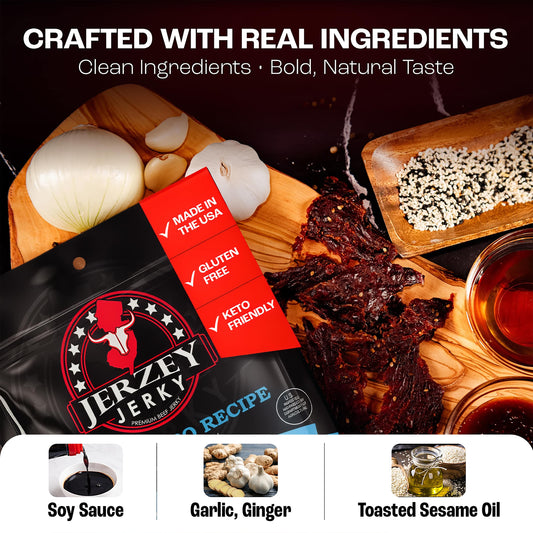
- Season Well: Soy sauce, fresh ginger, garlic, five-spice powder, and sesame oil. These seasonings are deep, aromatic and balanced without the use of heavy ingredients or complicated preparation methods.
- Cooking Technique: Use steaming to make soft and crisp, fry to add richness and stir-fry to cook in less time. The choice of the method influences nutrition, mouthfeel, and the quality of snacks in general.
- Finishing Touches Add: Light sauces, chopped herbs, chili oil or sesame seeds to the top snacks. Tasting, smell, and appearance elements are added to add flavor, aroma and appearance.
- Serve & Enjoy: To serve snacks right out of the cooker. Serve them with tea, vinegar dips or chili sauces. Fresh serving conserves the taste and texture and improves the snacking experience of the past.
Where to Buy Chinese Snacks?
Here are five typical locations where one can enjoy authentic Chinese snacks:
- Local Asian/Chinese Grocery Stores: These stores sell traditional snacks, frozen products and packaged foods. Shelves consist of regional brands, sausages and sweets that capture the true Chinese taste and daily snack preferences.
- Street Vendors and Night Markets: Street stalls and night markets sell snacks that are made fresh. Food trucks and sellers prepare food in the field, with a strong flavor, local cuisines, and cultural food experience based on Chinese street cuisine.
- International supermarkets: Big supermarkets stock Chinese snacks in international aisles. There are dumplings, chips, sweets, and sauces, thus they can be bought on a regular shopping basis without having to go to specialty shops.
- Snack Retailers and Import Shops Online: An Online store sells imported Chinese snacks with door delivery. These stores carry special local goods, goods with a long shelf life, and comprehensive product ingredient details to enable easy shopping.
- Snack Boxes: Snack boxes send a variety of Chinese snacks each month. Every box has selected products of various locations that allow the purchasers to experience new tastes, textures, and classic delicacies repeatedly.
What are the Common Mistakes to Avoid When Choosing Chinese Snacks?
Here are the five mistakes to be avoided when selecting Chinese snacks:
- Health Suppositions: It is a common belief that all Chinese snacks are balanced in nutrition. Some are rich in oil or sodium. Knowing the style of preparation and ingredients allows making better choices of snacks without false health guarantees.
- Indulgence: The small portions promote eating. Snacking many times raises the levels of calories in a short time. Portion control and careful choice allow staying in control of the diet and still experiencing the diverse flavors.
- Disregard of Traditions: Traditional snacks adhere to local practices and the use of the seasons. Failure to consider cultural context results in bad decisions.
- Label Neglect: Canned food contains sodium, fats, and additives. Omission of labels conceals nutritional effect. Ingredient details also help in making wise decisions and prevent the overuse of unnecessary preservatives or artificial flavoring.
- Only Buying Packaged: Packaged snacks only restrict freshness. New street or homemade ones have a superior feel and flavour. The diversity of fresh and packaged snacks provides a healthy snacking experience.
Subscription Available
-26%
Subscription Available
-26%