High Protein Beef Jerky
57 reviews

Whole-Muscle Beef Brisket

Free U.S. Shipping Over $100

30-Day Returns on Eligible Products
Subscription Available
-26%
Subscription Available
-26%

Subscription Available
-26%
Subscription Available
-26%
Subscription Available
-26%
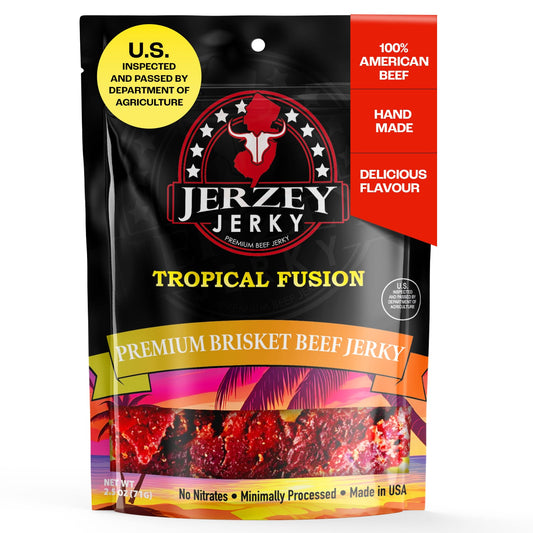
Subscription Available
-26%
Subscription Available
-26%
Subscription Available
-26%
Subscription Available
-26%
Loved by Our Customers
Looking for a convenient snack with a lot of protein and beef flavor? Jerzey Jerky's high-protein beef jerky line is ideal for those who want a tasty, convenient snack that's easy to enjoy while keeping up with a busy lifestyle.
Beef jerky is as easy to pack and as convenient to have on hand as it gets, from the gym to travel, work, hiking, and just in case you're craving something between meals. Options range from Teriyaki, BBQ, Korean BBQ, and Carne Asada to Sweet Heat, so you can enjoy a different flavor with every convenient protein you choose.
Why go for high-protein beef jerky?
Protein is a vital nutrient that helps maintain the body's muscles and supports many other bodily functions. High-protein beef jerky provides the natural protein found in beef, making it a convenient choice for anyone looking to add more protein to their snack bucket.
The Jerzey Jerky line is a high-protein variety made from whole-muscle beef, not added protein powders. The collection features beef flavors and savory seasonings, providing a tasty snack that doesn't require cooking or meal prep.
Premium whole-muscle beef brisket
It all begins with quality meat for a great beef jerky. Jerzey Jerky's high-protein beef jerky is made from whole-muscle beef brisket to deliver the firm, satisfying jerky lovers crave.
The beef is cooked, flavored, and dried into a handy snack packed with beef flavor. Various seasonings and smoky flavors can be enjoyed on different varieties of meat, giving each one its own unique flavor.
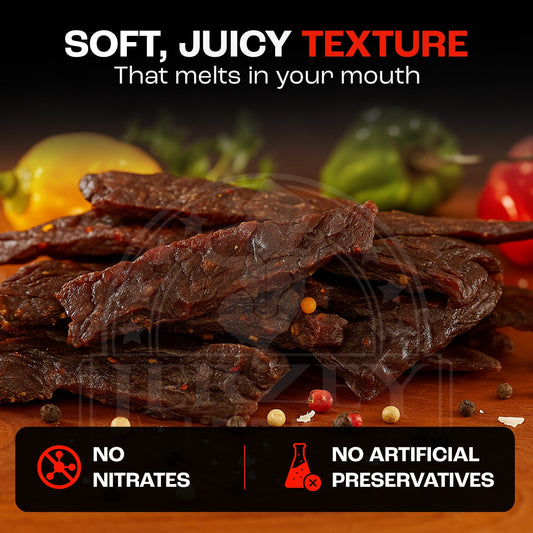
Whole-muscle beef also offers a substantial texture, making jerky more filling than some typical grab-and-go options. Each bite blends the savory taste of beef with delicious seasonings.
Flavorful options for every craving
You don't have to sacrifice flavor when snacking on a high-protein diet. Jerzey Jerky offers a variety of flavors, so you can find one you'll enjoy.
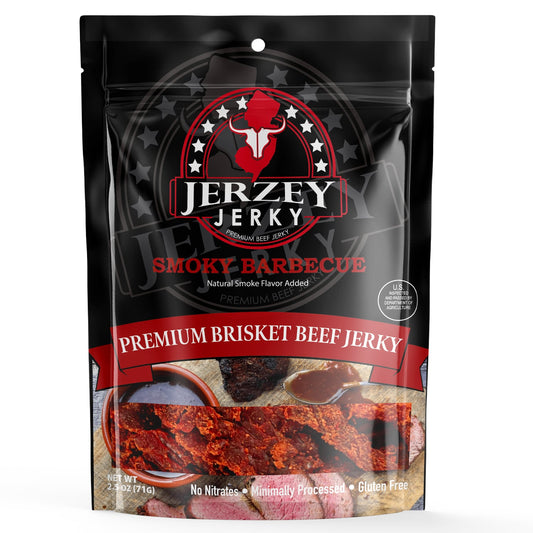
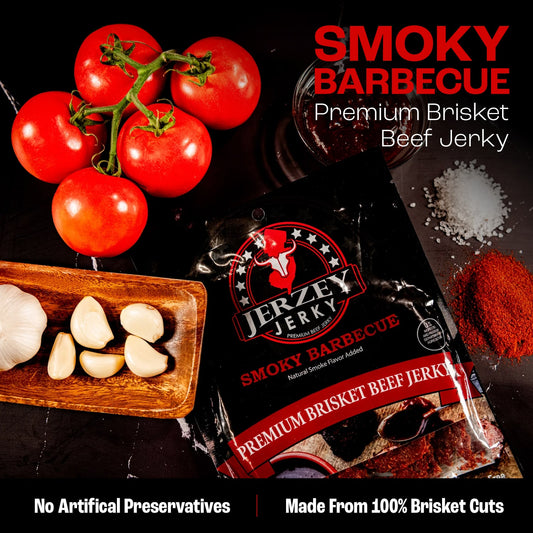
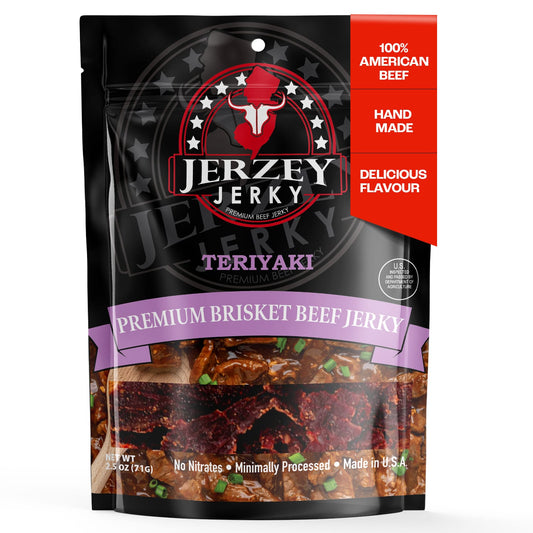
Teriyaki Beef Jerky blends sweet and savory flavors to deliver a classic beefy taste. Those who like smoky flavors will enjoy a barbecue beef jerky flavor from Smoky Barbecue Beef Jerky.
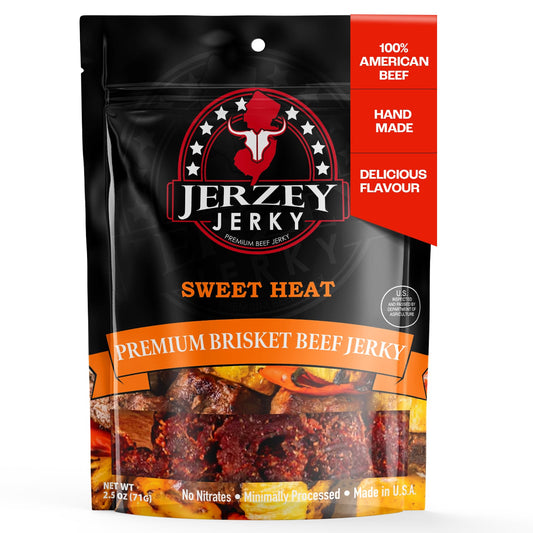
Try Korean BBQ and Carne Asada, which feature bold, internationally inspired seasoning profiles. Sweet Heat Beef Jerky offers a spicy-sweet taste for those who want a little sweetness with their spice.
A convenient snack for active lifestyles
High-protein beef jerky is especially useful because it requires no cooking, utensils, or prep. Just open the package and enjoy whenever you need a savory snack.
Keep a bag in your gym bag, backpack, desk, travel bag, or pantry. Ideal for outdoor pursuits, on-the-go meals, hiking and camping, or a hectic day when a hot meal is not feasible.
Beef jerky can also support active people as part of a well-balanced diet alongside physical activity. Your protein needs depend on your diet, activity level, and individual needs.
A protein-rich alternative to ordinary snacks
Many convenient snacks are tasty, but high-protein beef jerky is both tasty and made from real beef. Jerky is dried, so it is compact and easy to take with you, making it ideal for anyone who wants a portable snack.
Nutritional content varies by flavor, so please read the product-specific nutrition facts panel for protein, calories, fat, carbs, and sodium. This will help you choose a variety that fits your individual dietary needs.
Perfect for everyday snacking
High-protein beef jerky is a perfect addition to your diet if you're into fitness, traveling, studying, working, hiking, or just looking for a tasty snack.
Use it between meals, on your next trip, or for a fast, tasty snack when you're in the mood. It's easy to eat on busy days because it's convenient and ready to go.
Buy high-protein beef jerky online.
Looking to switch up your snack? Dive into the high-protein beef jerky selection at Jerzey Jerky and taste the flavored beef jerky that's made from whole muscle beef brisket.
Pick from teriyaki, smoky barbecue, Korean BBQ, carne asada, sweet heat, and other delicious varieties to find the flavor you crave. Delicious beef jerky taste and high protein make it easy to enjoy bold beef flavor and protein anywhere you go, whether as a convenient snack at the gym, at work, on the road, or in everyday life.
Let customers speak for us

Tanner Sisson
Best jerky on the planet
Bought it as a gift referred to by Dave Holland and my step dad loved it , best he has ever had
Whiskey Beef Jerky - Brisket

samaarshad
Best carne asada beef jerky
Best carne asada beef jerky flavor
Carne Asada Beef Jerky - Brisket
samaarshad
sweet heat beef jerky is
sweet heat beef jerky is best
Jerzey Jerky
Marco
Best beef
Best beef jerky
Jerzey Jerky

Buzz
Can’t stop eating it
Jalapeno Beef Jerky - Brisket
Buzz
Fiery Jalapeno Beef Jerky - Brisket
Jalapeno Beef Jerky - Brisket

Bob Haines
Teriyaki Beef Jerky - Brisket
Teriyaki Beef Jerky - Brisket

frank calautti
Korean bbq and teryaki
A few days ago I received a simple bag of teriyaki it was so good that I went and I ordered the teriyaki and the Korean bbq I have eaten a lot of different beef jerkies before but this is the most tender melt in your mouth stuff you ever going to eat and it's addictive I ordered one bag of each the Teriyaki and the Korean BBQ and I tried to act like it wasn't there when I opened it it was delivered to me about 10:00 in the morning and by 1:00 in the afternoon both bags were gone because it once you start eating it it's hard to put it down don't take my word for it though try it for yourself and you'll probably be back here saying the same thing that I just said I can't wait to try the others but these two that I just mentioned the product speaks for itself and I think you'll have the same problem putting the bag down once you start eating it
Beef Jerky - Korean BBQ + Teriyaki
DZ
Always my go to
Always my go to jerky!!
Jerzey Jerky
Home Formica
Great Jerky
This jerky is absolutely outstanding! The flavor is rich, bold, and perfectly balanced without being overly salty. The texture is spot on—tender enough to chew easily while still having that authentic jerky bite. You can tell high-quality ingredients were used, and every piece is packed with great taste. Whether you’re looking for a snack on the go, a post-workout protein boost, or something to enjoy while traveling, this jerky delivers. I’ve tried a lot of different brands, and this is easily one of the best I’ve had. Highly recommended!
Carne Asada Beef Jerky - Brisket
Francesco Chioccariello
The best jerky
The best jerky.
Jerzey Jerky
Joe
Super tasty!
Super tasty jerky and made with clean ingredients! Big fan of the product.
Jerzey Jerky
Catrina T
DELISH!
Hands down the best jerky I’ve ever had! So happy we found them at the Paramus food truck fest! I am not embarrassed at all to say I finished a whole bag in one sitting 🤤 The flavor is exceptional and I love that all of the ingredients are clean! 10/10 recommend!
Carne Asada Beef Jerky - Brisket
JONATHAN M LIZZIO
Straight Whiskey Beef Jerky - Brisket
Whiskey Beef Jerky - Brisket
Chris Decroce
Teriyaki Beef Jerky - Brisket
Teriyaki Beef Jerky - Brisket
