

What are the Characteristics of Spicy Snacks?
Here are the four key qualities that make snack snacky and cross-cultural:
- Tasting: Snacks with spicy flavors provide hot, piquant tastes, and in some cases taste sweet-spicy or tangy-spicy. These flavors are sensation-seeking and add plenty of memorable heat to snacking.
- Different textures: They have different textures such as crunchy chips or nuts, chewy spicy jerky and soft dumplings. Every texture matches the heat, and it offers a gratifying feel in the mouth, which makes people grab more.
- Selection: Spicy snacks are offered in a variety of ways: street snacks, fried, roasted nuts, jerky, and packaged snacks. This diversity enables individuals to have heat during various dining events.
- Portion Size: Snacks are provided in small and snackable portions that can be carried, shared and enjoyed easily. These selections promote informal dining and bring hot dishes anywhere or at any time.
What is the Nutritional Value of Spicy Snacks?
Here are the six most important nutritional factors:
- Macronutrients: Spicy snacks are considered to have carbohydrates in chips and crackers, protein in nuts and jerky, and fats in fried or roasted ones. The balance is an easy source of fast energy and satisfaction.
- Protein Content: Jerky made of meat and snacks made of legumes provide protein that helps to maintain the muscles and adds fullness, which makes these spicy snacks more nutritious compared to snacks made of pure carbs.
- Healthy Fats: Nuts, seeds, and oils used in roasting contain unsaturated fats. These fats make the snacks healthier for the heart and better tasting and textured for spicy foods.
- Micronutrients: Capsaicin in chili can increase metabolism, and vitamins and minerals are dependent on the primary ingredients. Snacks are fortified with nutritious ingredients such as nuts, seeds or vegetables.
- Sodium Content: Sauces, spice mixes and seasonings usually augment sodium. Having spicy snacks with a lot of salt influences the blood pressure and fluid balance in the body.
- Calorie Content: Fried or heavily seasoned foods contain a lot of calories, whereas baked or roasted foods contain fewer calories. Portion control allows one to consume calories but with strong flavors.
Read our new blog on Japanese Snacks to find unique and culturally inspired snack options.
What are Popular Types of Spicy Snacks?
Here are the five most popular types and examples:
- Savory Snacks: These are spicy chips, nachos, roasted chickpeas and jalapeño poppers. They are crunchy and spicy with a tangy, hot bite, and are served as either a snack or on a party platter.
- Street Snacks: Street carts offer spicy corn, chaat, hot nuts and kimchi-flavored delicacies. These snacks are packed with strong flavors, fresh products, and a fast-satisfying snacking experience on the go.
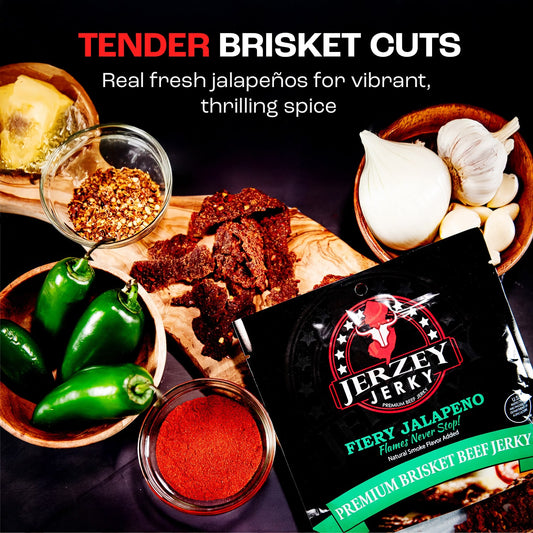
- Protein Snacks: Some of the high-protein options are spicy beef jerky, meat sticks, and seasoned tofu bites. They provide heat and protein, which helps to maintain energy requirements and intermeal satiety.
- Packaged Snacks: Flavored crackers, pretzels and spicy nuts are packaged snacks that are convenient and have a long shelf life. These snacks add regular spice and flavor to fast and portable enjoyment.
- Home-cooked Snacks: Homemade food such as roasted spicy vegetables, chili-coated seeds, and spiced popcorn gives you control of ingredients, level of spices and still keeps the snacks bold and flavorful.
How to Make Spicy Snacks at Home?
Here are five step-by-step instructions with the details:
- Select a Base: Select a primary ingredient such as nuts, vegetables, popcorn or tofu. Fresh and high-quality produce enhances taste, texture and nutritional value and is the basis of bold, spicy homemade snacks.
- Add Heat: Chili powder, cayenne, paprika, or fresh chilies give it a spicy taste. Striking a balance between the heat and the complementary flavors makes the snack flavorful, thrilling, and entertaining without overstimulating the taste buds.
- Preparation Technique: Roast, bake, fry or air-fry the base ingredient. All of the approaches create varying textures, add spice, and create a unique flavor profile on crunchy, chewy, or soft spicy snacks.
- Final Touches: Add additional seasonings, salt, herbs or a drizzle of oil. Stir to evenly distribute ingredients so that they are well blended, seal the flavors and provide a tasty touch to your snack in a professional manner.
- Serve and Enjoy: Allow the snacks to cool down a bit and serve. Cut them into small pieces to have them at any time. Ideal as a snack to share or at a party or to have as a quick-fix snack with strong flavours.
Where to Buy Spicy Snacks?
Chips, nuts, and packaged spicy treats are available in local grocery and convenience stores and can easily be eaten as snacks. Asian, Mexican, or Indian specialty stores have the traditional, regional spicy snacks having a bold taste that their regular stores do not have. Online snack stores and sub boxes offer a curated selection of spicy snacks, which are shipped to your door, with some international and rare choices. Street food sellers and local markets sell fresh, bold-flavored snacks such as spicy corn, chaat or chili-coated nuts. Nuts, seeds, and small-lot snacks with spicy flavor combinations are available in specialty spice or nut stores with a roasting process.
What are the Common Mistakes to Avoid When Choosing Spicy Snacks?
Here are the five errors to avoid while selecting spicy snacks:
- Health Misconceptions: There is the general belief that all spicy snacks are healthy. Others have fried oils, sodium overload or artificial flavors. Ingredients of checking to prevent unhealthy components concealed.
- Excessive consumption: Dining in high amounts of spicy snacks can disrupt the digestive system or add more calories to the body. Eat in small portions and snack conscientiously so as to experience heat and not feel uncomfortable.
- Ignoring Labels: The nutritional label indicates the calories, fats, sodium and allergens. Disregarding them results in unbalanced consumption. Look at the labels on the snacks to select snacks that fit the diet.
- Only Packaged Option: Packaged food is convenient, and it usually has additives and preservatives. Offer a mix of packaged, homemade, and fresh foods to be varied and have improved nutritional quality.
- Disregard of Tolerance Levels: Spicy snacks are hot to different degrees. Disregard of personal tolerance result in burning pains or stomach ache. Begin with the easier ones and do the uncomfortable progressively.
Subscription Available
-26%
Subscription Available
-26%